



Frequently Asked Questions About Vietnam & Cambodia Tours
Planning Your Vietnam and Cambodia Tour
You need at least 8 days, and 10 to 14 days is ideal. A realistic split is 3 to 5 days in Cambodia (3 days in Siem Reap for Angkor, plus Phnom Penh if you have time) and the rest in Vietnam. With fewer than 8 days, most of your trip is spent in airports and transfers.
November to March is the best time for a combined trip. Cambodia is in its dry season from November to April, and the coolest weather is in December and January. Vietnam's north is dry from October to April, and the south is sunny from December to April. April is the hottest month in Cambodia, often reaching 35°C or more.
Yes. Cambodia's rainy season runs from May to October, with short, heavy afternoon showers rather than all-day rain. Angkor is greener, the moats are full and there are far fewer visitors. The main risk is central Vietnam, where Hoi An and Hue see the heaviest rain and typhoon risk from September to November.
The most popular route is Hanoi, Halong Bay, Hoi An, Ho Chi Minh City and Siem Reap over 10 to 12 days. It covers the main highlights of both countries with only one international flight. If you have 8 days, use Ho Chi Minh City, the Mekong Delta, Phnom Penh and Siem Reap instead.
Yes. Many travelers fly into Siem Reap or Phnom Penh, travel south or north through Cambodia, then finish in Ho Chi Minh City or Hanoi. Starting in either country costs the same in most cases, so choose the direction based on your flight prices and the season in each region.
Yes, if the pace is adjusted. Angkor involves a lot of walking, steps and heat, so early starts, midday breaks and shorter temple routes work best. Children under 12 enter Angkor free with a passport as proof of age. We recommend private tours with a car and guide for families and older travelers.
Choose a private tour if you want flexibility, comfort or travel with children or seniors. Choose a group tour only if budget is your priority and you accept a fixed schedule. Group itineraries often pack in many temple visits in a short time, and the pace cannot be changed on the day.
Visas and Entry Requirements
Yes. Vietnam and Cambodia have separate entry rules, and one visa does not cover both countries. Check each country's requirements for your passport before booking, because exemptions depend on nationality.
It depends on your passport. Citizens of 24 countries, including the UK, Germany, France, Italy, Spain, Japan and South Korea, can enter visa-free for 45 days under policies running through 2028. US, Canadian and Australian citizens need a visa. The Vietnam e-visa costs 25 USD for single entry or 50 USD for multiple entry, is valid for up to 90 days and takes about 3 working days.
A 30-day tourist visa costs 30 USD, paid in cash on arrival at major airports and land borders. The online e-visa costs 30 USD plus a small processing fee, about 36 USD in total. Visitors arriving by air must also complete the free Cambodia e-Arrival Card at arrival.gov.kh within 7 days before the flight. The e-Arrival Card is not a visa and should never cost money.
Yes, at the main Moc Bai (Vietnam) to Bavet (Cambodia) crossing, both the Cambodian e-visa and visa on arrival are accepted. If you enter Vietnam by land with an e-visa, it must list Moc Bai as the entry port, and you should carry a printed copy. Vietnam does not issue visas on arrival at land borders.
Getting Between Vietnam and Cambodia
Flying is the best way for most travelers. Ho Chi Minh City to Phnom Penh takes about 1 hour, Ho Chi Minh City to Siem Reap about 1 hour 20 minutes and Hanoi to Siem Reap about 2 hours. The bus takes 6 to 7 hours, and a Mekong boat from Chau Doc to Phnom Penh takes 5 to 6 hours.
Yes. The Moc Bai to Bavet crossing on the Ho Chi Minh City to Phnom Penh highway is the busiest and most straightforward land route, about 80 kilometers from each city. Expect 6 to 7 hours in total, with the border queue as the main variable. Buses typically cost around 20 to 35 USD, and on a private tour your guide handles the paperwork.
Costs and Inclusions
A mid-range private package typically costs around 1,200 to 1,800 USD per person for 8 to 10 days, based on two travelers sharing and excluding international flights. Upscale 5 star packages usually start around 2,500 USD. Prices rise in December to February and fall in the green season.
Typically, packages include hotels, private transport, English-speaking guides, entrance fees, daily breakfast, some meals and the Halong Bay cruise. International flights, visa fees, travel insurance, tips and personal expenses are usually excluded. Always confirm whether the Angkor Pass and the regional flights between the two countries are included before you book.
The Angkor Pass costs 37 USD for 1 day, 62 USD for 3 days and 72 USD for 7 days. Most first-time visitors should buy the 3-day pass, which is valid for any 3 days within 10 days and costs 49 USD less than three separate 1-day passes. Buy only from the official seller, Angkor Enterprise (ticket.angkorenterprise.gov.kh) or its ticket counters in Siem Reap.
Carry Vietnamese dong in Vietnam and US dollars in Cambodia. Cambodia uses the riel alongside the US dollar, and dollars are accepted almost everywhere, with ATMs often dispensing them. Bring small notes for tuk-tuks and markets. For private tours, guides usually receive 5 to 10 USD per day per group and drivers 3 to 5 USD per day.
Safety and Insurance
Yes, on the standard tourist routes. Siem Reap, Phnom Penh, Hanoi, Hoi An and Ho Chi Minh City are all open and normal for visitors. The US rates Cambodia Level 2 overall, and the exception is the area within 50 kilometers of the Thai border, which governments advise avoiding because of armed clashes and landmines. Petty theft, such as bag snatching from motorbikes, is the most common problem, so keep phones and bags away from the roadside. Check your government's advice before departure.
Yes, we strongly recommend it. Choose a policy covering medical care, evacuation and trip cancellation. Some policies become invalid if you travel against your government's advice, so ask your insurer whether any exclusion applies to the areas on your route.
Adding Thailand or Laos
Yes, but only by air at present. The Thailand-Cambodia land border has been closed to travelers since June 2025, with no reopening date announced. Flights from Siem Reap to Bangkok take about 1 hour 15 minutes and continue to operate. A Vietnam Cambodia Thailand tour works best with at least 12 days, and 14 to 16 days is more comfortable.
Yes. Luang Prabang is the most popular add-on, reached by a short flight from Hanoi or Siem Reap. Laos has its own visa rules, so allow at least 3 extra days and plan a 14-day itinerary or longer.
Why Combine Vietnam and Cambodia in One Trip?
Travelers often ask whether a Vietnam Cambodia trip is worth the extra logistics compared with visiting one country only. In our experience it is, for three practical reasons.
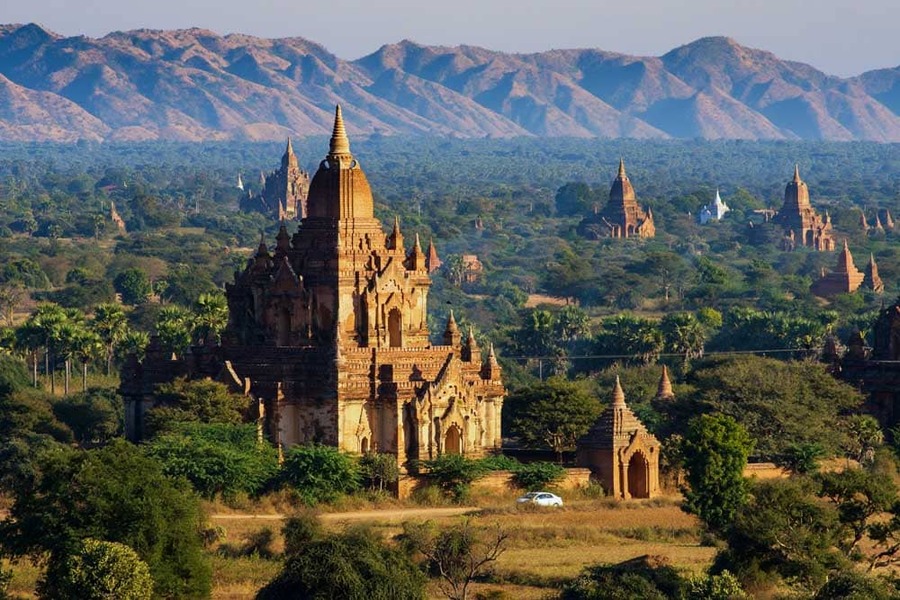
First, the two destinations complement each other. Vietnam is varied and fast-moving: Hanoi's Old Quarter, the karst seascape of Halong Bay, the imperial city of Hue, Hoi An, then Ho Chi Minh City. Cambodia is deeper and more focused, built around Angkor and the capital. Together they give you both breadth and depth in a single holiday.
Second, the flights are short. Ho Chi Minh City to Phnom Penh takes about one hour, Ho Chi Minh City to Siem Reap about one hour 20 minutes, and Hanoi to Siem Reap roughly two hours. A route like Hanoi, Halong Bay, Hoi An, Saigon, Siem Reap needs only one international hop.
Third, the value is good. A well-run mid-range Vietnam and Cambodia holiday costs far less than a comparable trip to Japan or Europe, with excellent hotels at moderate rates.
The honest trade-off is time. Squeezing both countries into less than a week means mostly airports and little experience. We recommend at least 8 days, and 10 to 12 days if you want Halong Bay, central Vietnam and Angkor without feeling rushed.
Top Things to Do on a Vietnam & Cambodia Tour
These are the experiences our guests mention most when they return from their Vietnam and Cambodia holidays.
Cruise Halong Bay. An overnight cruise through the 1,600-plus limestone islands is the classic Vietnam highlight. Expect roughly 150 to 300 USD per person for a good two-day, one-night cruise, and more for luxury vessels. Autumn and spring have the clearest skies.

Walk Hoi An's Old Town at dusk. The lantern-lit streets are a UNESCO World Heritage Site. Tailoring, cooking classes and bicycle rides through rice fields are easy to add in a day or two.
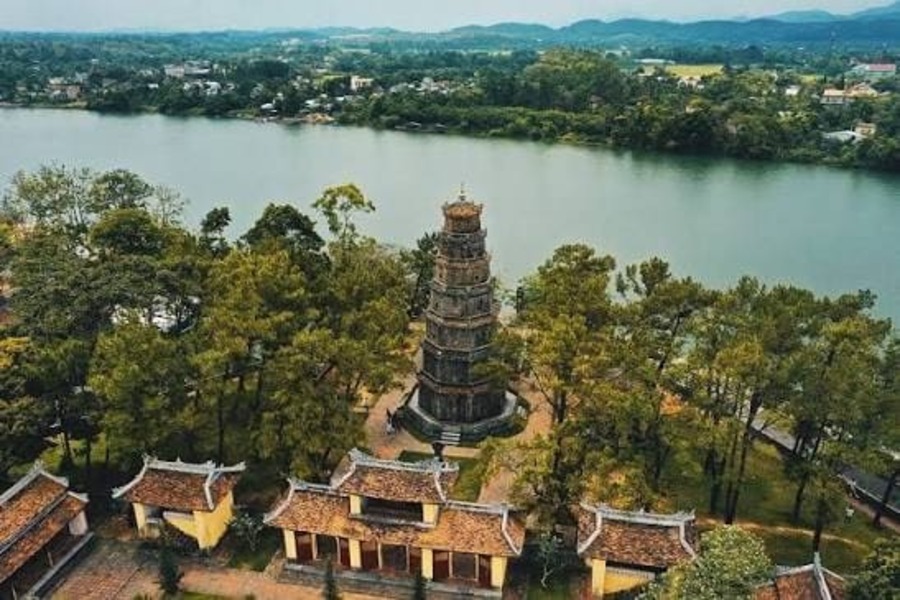
Explore the Cu Chi Tunnels and the Mekong Delta from Ho Chi Minh City. Both are easy half-day or full-day trips, and they set the scene for the river you will meet again in Cambodia.
See sunrise at Angkor Wat. The temple complex is the centerpiece of any Vietnam Cambodia tour. An Angkor pass costs 37 USD for one day, 62 USD for three days and 72 USD for seven days. We suggest three days: Angkor Wat, Bayon and Ta Prohm are close to unmissable, and a second and third day let you visit quieter temples like Banteay Srei at a calmer pace.
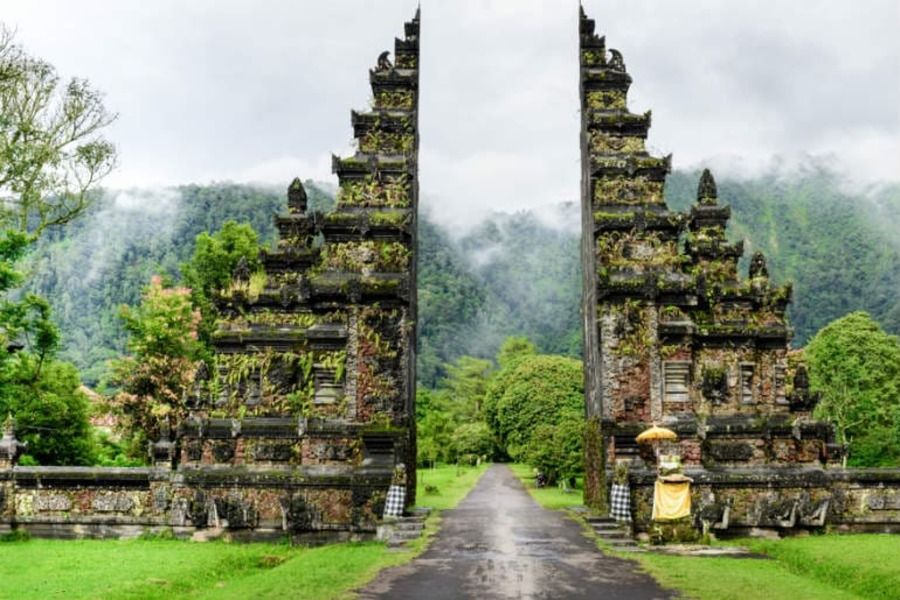
Visit the Royal Palace and Silver Pagoda in Phnom Penh. Built in 1860, the palace is the most elegant landmark of the capital. Dress modestly, with covered shoulders and knees.
Learn the history at Tuol Sleng and the Killing Fields. These sites are sobering, not entertaining, but they give real context to modern Cambodia. Allow half a day and go with a guide who can explain what you are seeing.
Eat your way through both countries. Pho, banh mi and cao lau in Vietnam; fish amok, lok lak and Khmer noodles in Cambodia. A street meal in either country is often 2 to 4 USD.
Best Time for Trips to Vietnam and Cambodia
Vietnam stretches over 1,600 kilometers, so its weather varies by region. Cambodia is simpler, with a dry season and a rainy season.
The sweet spot for combined Vietnam and Cambodia holidays is November to March. In Cambodia, the dry season runs from November to April, with the coolest weather from December to January, when daytime highs are around 28 to 30°C. In Vietnam, the north is dry and cool from October to April, though Hanoi can be chilly and misty in January and February. The south around Saigon is sunny and dry from December to April.
March to May is hot. Cambodia can reach 35°C or more in April, so plan temple visits for early morning and late afternoon.
May to October is Cambodia's rainy season. It is not a bad time to go. Angkor is greener, crowds drop sharply and the moats are full. Expect short, heavy afternoon downpours rather than all-day rain. Central Vietnam, including Hoi An and Hue, has its heaviest rain and typhoon risk from September to November, so we avoid scheduling those stops in late autumn when we can.
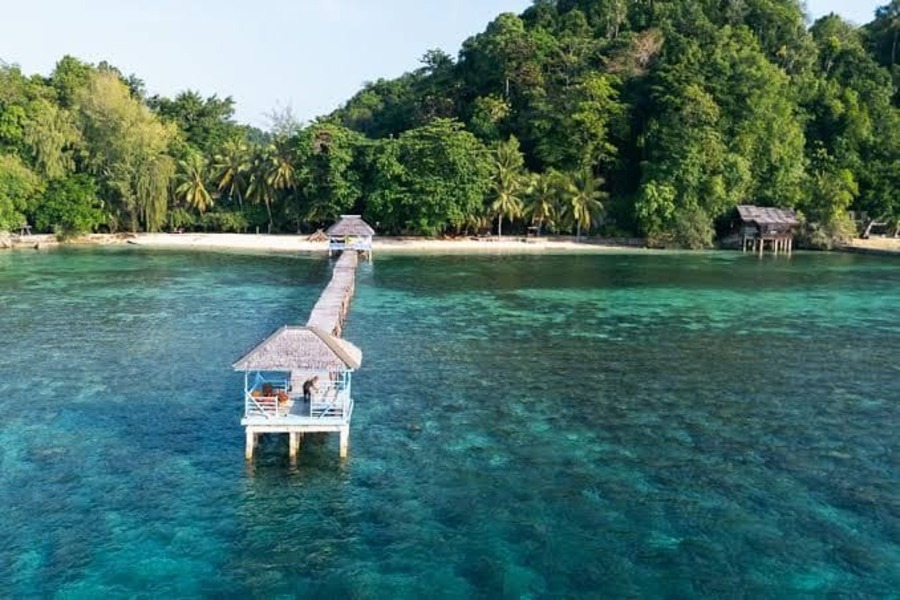
If you can only choose one window, December to February offers the most reliable weather across both countries, but it also brings peak prices. Booking 4 to 6 months ahead for that period is wise.
Popular Vietnam Cambodia Tour Package Routes
Every Vietnam Cambodia tour package we sell is adjustable, but most follow a few proven routes.
8 to 9 days, Highlights. Ho Chi Minh City, Mekong Delta, Phnom Penh, Siem Reap. A compact Vietnam and Cambodia tour package for first-timers who want Saigon, the river and Angkor.
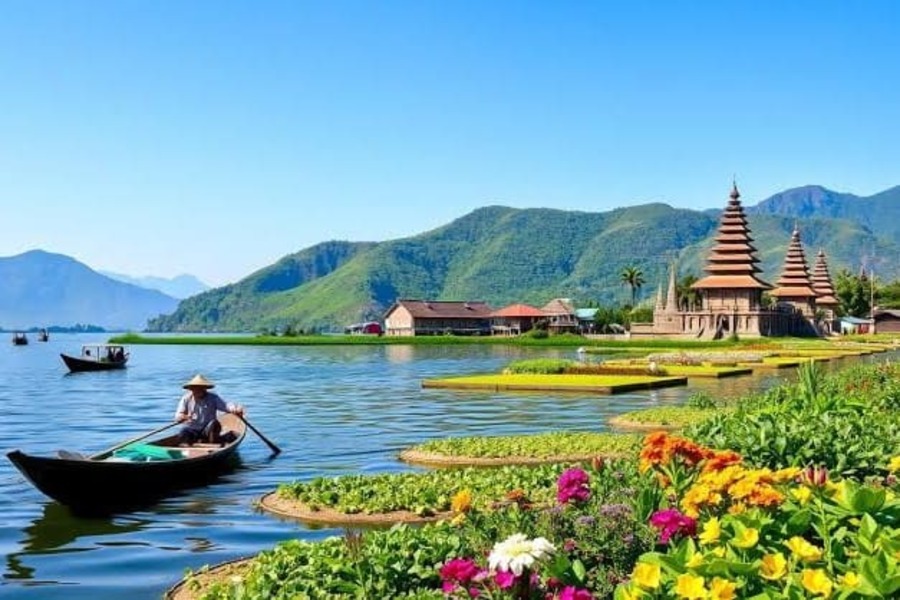
10 to 12 days, Classic North to South. Hanoi, Halong Bay, Hoi An, Ho Chi Minh City, Siem Reap. This is our most requested Vietnam Cambodia tour package because it covers the biggest sights of both countries with a single international flight.
12 to 14 days, Grand Journey. Hanoi, Halong Bay, Hue, Hoi An, Saigon and Mekong, Phnom Penh, Siem Reap. Ideal if you want imperial Hue and a proper look at both capitals without a punishing schedule.
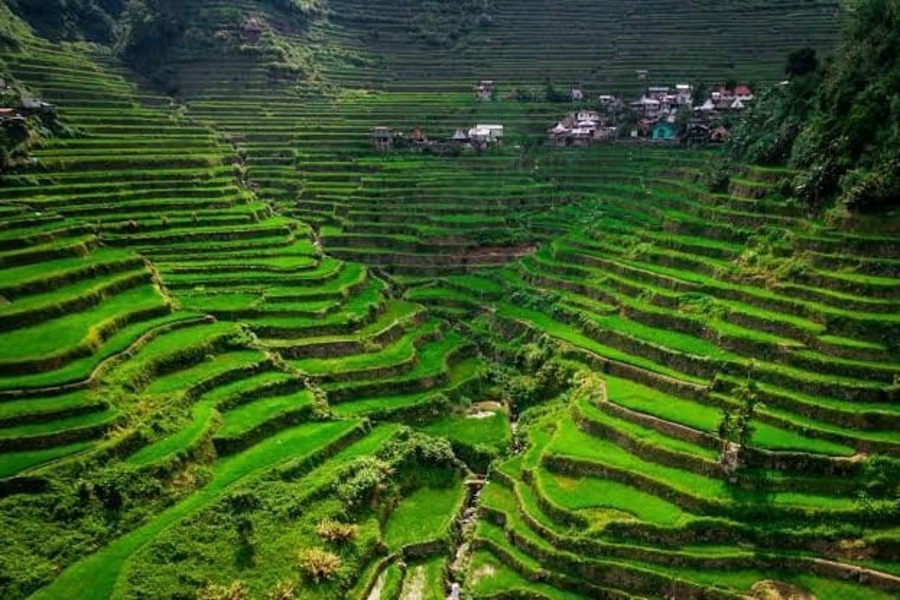
14 days and beyond, Indochina Extension. Add Laos (Luang Prabang) or beaches such as Phu Quoc in Vietnam or Koh Rong in Cambodia.
Indicative prices for land packages, based on two travelers sharing a room: mid-range 3 to 4 star hotels with private guides and transport typically run from around 1,200 to 1,800 USD per person for 8 to 10 days. Upscale and 5 star packages commonly start around 2,500 USD and rise from there. International flights are not included unless stated, and prices vary by season.
Adding Thailand: Is a Vietnam Cambodia Thailand Tour Realistic?
Many travelers ask about a Vietnam Cambodia Thailand tour, and it can work well if you plan it correctly. The natural order is Vietnam, then Cambodia, then Thailand, finishing in Bangkok.
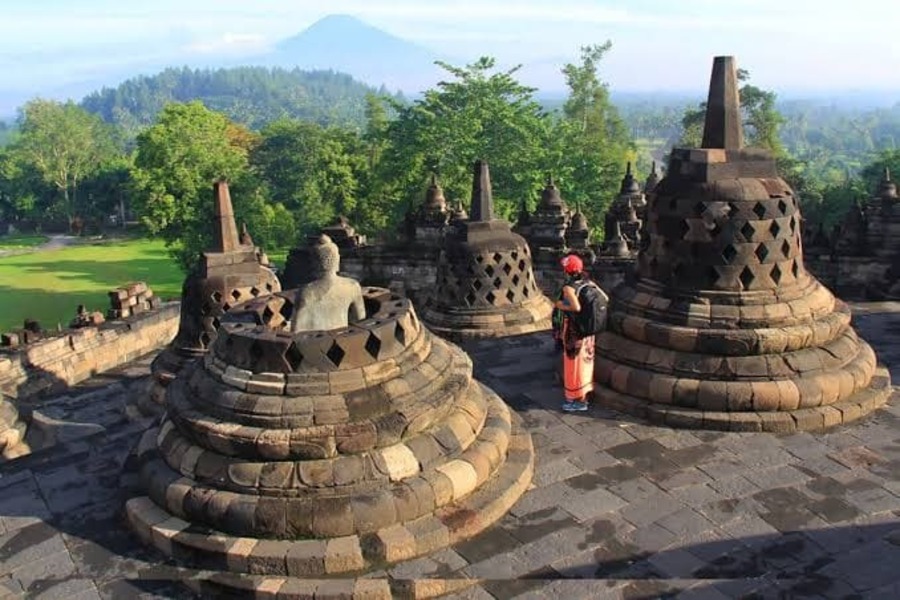
From Siem Reap, Bangkok is about 1 hour 15 minutes by air. The Thailand-Cambodia land border has been closed to travelers since June 2025 with no reopening date announced, so flying is currently the only practical option.
Be realistic about duration. A Vietnam Cambodia Thailand tour needs at least 12 days to avoid becoming a series of transfers, and 14 to 16 days is more comfortable. If your time is limited, our honest advice is to do two countries properly rather than three superficially. Thailand makes a better dedicated trip later.
Getting Between Vietnam and Cambodia
You have three realistic options.
By air. The fastest and most comfortable choice. Direct flights link Ho Chi Minh City and Hanoi with Phnom Penh and Siem Reap, with flight times of 1 to 2 hours.
By road. Ho Chi Minh City to Phnom Penh by coach takes about 6 to 7 hours including the Moc Bai border crossing. It is inexpensive, but you will spend most of the day on the road.
By Mekong. The most memorable route. Travelers move between Chau Doc and Phnom Penh by boat in about 5 to 6 hours, or take a multi-day Mekong cruise. It is scenic and slow, and a great way to see how the two countries share one river.
Visas, Money and Practical Tips
Vietnam. Many nationalities can apply for an e-visa for around 25 USD (single entry) valid for up to 90 days. Some countries, including several in Europe, enjoy visa exemptions for short stays. Always check the current rule for your passport before booking.
Cambodia. A tourist visa is available on arrival or online. The standard fee is 30 USD on arrival, and the e-visa costs around 36 USD. You will need a passport valid for at least six months and a passport photo.
Currency. Vietnam uses the dong, and Cambodia uses the riel alongside the US dollar. In Cambodia, dollars are accepted almost everywhere, and ATMs often dispense them. Carry small notes for tuk-tuks and markets.
Tipping. Not mandatory, but appreciated. For private tours, guides usually receive 5 to 10 USD per day per group and drivers 3 to 5 USD per day.
Dress code. Temples in both countries, especially Angkor Wat and Phnom Penh's Royal Palace, require covered shoulders and knees.
Visa fees and rules change, so we always confirm requirements for your nationality when we confirm your booking.
Why Book Your Vietnam and Cambodia Tour With Us
We are a local operator, not a reseller. Our consultants plan your Vietnam Cambodia trip around your travel dates, your pace and your interests, and our guides speak your language. Tours are private, flexible and priced transparently, so you will know what is included before you pay.
We also tell you what not to do. If a route is too rushed, if a hotel is poorly located or if a season will disappoint, we say so before you book. That honesty is why many of our guests return for their next Vietnam & Cambodia holidays with us.
Ready to plan your Vietnam Cambodia tour? Send us your travel dates and we will propose a route within 24 hours.